How Fragmented Technology Stalls Youth Sports Operations
Youth sports organizations often struggle with fragmented communication, scattered operational tools, and disconnected development plans. By consolidating operations into a single platform, organizations can eliminate administrative friction and provide athletes on the fringe of the next level with measurable development tracking.
Key Takeaways
- Fragmented applications create operational chaos for youth sports organizations.
- Centralized platforms bridge the gap between communication, operations, and athlete development.
- Measurable and customized development plans help fringe athletes reach the collegiate level.
- Access to diverse sports shapes lives and community development well beyond the game.
The Operational Cost of Disconnected Sports Tools
When running a youth sports organization, operators constantly juggle multiple software tools. One app handles team chat. Another manages scheduling. A completely separate spreadsheet tracks player development. This fragmentation drains time from founders and operators who should be focusing on growth.
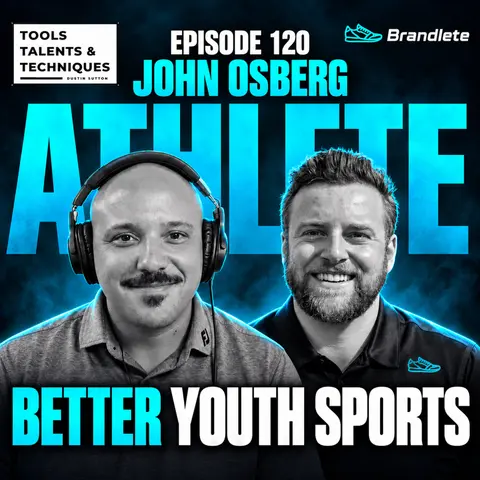
John Osberg, VP of Partnerships at Brandlete, saw this operational breakdown firsthand. About five years ago, he noticed that sports organizations were weighed down by disconnected solutions. No one had built a centralized hub that could handle daily friction efficiently. Building a single platform became the obvious solution to streamline back-office tasks and improve communication across coaches, parents, and players.
Tool: Unified Operational Frameworks
The primary tool for scaling any youth sports organization is a single source of truth. Instead of jumping between five different applications, operators need a unified platform. As John noted during our conversation, the goal is to bring everything into one place and do it thoughtfully and efficiently.
Action step: Audit your current operational stack this week. Identify every disconnected tool your organization uses and map out a plan to migrate into a unified system.
Talent: Expanding Access and Opportunity
Technology alone does not solve the broader challenges in youth sports. Founders and operators need the mindset of access. Sports are not just about winning games. They build character, discipline, and competitive drive that impact every area of life.
John shared his personal journey with sports, including playing golf with his grandmother. That early exposure shaped his perspective on why bringing sports like golf to underserved communities matters so much. It is about opening doors. When we expand access, we create lifelong opportunities.
Talent: A Community-First Vision
Great operators look beyond immediate revenue and focus on long-term community impact. They realize that competition teaches resilience. John captured this sentiment well: It is bigger than sports. It is not just the game, it is the competition; there is so much inside of what sports will do.
Action step: Identify one way your organization can lower barriers to entry for youth athletes in your local community over the next month.
Technique: Implementing Measurable Development Plans
Hope is not a strategy. Telling an athlete to work harder rarely yields results without a clear roadmap. The best organizations use data and structured milestones to guide player progression, particularly for athletes sitting on the fringe.
Brandlete focuses heavily on athletes trying to bridge the gap to play at the D1, D2, or D3 level. These players do not need general encouragement. They need specific, measurable, and customized development plans that blend technology with personal growth.
Technique: Structured Player Roadmaps
Create clear benchmarks for every athlete in your program. If a player wants to play at the collegiate level, they need an objective assessment of their current performance against collegiate standards.
Action step: Build a simple, repeatable scorecard this week that tracks three core performance metrics for every athlete you coach or manage.
Try This
For the next seven days, audit how much time your organization spends managing administrative tasks across multiple apps. Choose one area to centralize. To hear more about building scalable platforms for youth athletics, Listen to the full episode of Tools, Talents, and Techniques.
Frequently Asked Questions
Why do youth sports organizations struggle with multiple apps?
Using separate tools for scheduling, communication, and player tracking creates data silos, increases administrative overhead, and frustrates parents, coaches, and operators alike.
What is a unified sports development platform?
A unified platform brings communication, team operations, and individualized athlete development tracking into a single software environment.
How do customized development plans help fringe athletes?
Customized plans provide objective metrics and clear milestones, helping athletes who are on the borderline of collegiate play identify exact areas for improvement.
Diverse Paths to Impactful Leadership: James Robertson on Commercial Real Estate, Community, and Career | Ep. 26